News and Research

  • Riding the Fire Horse: Managing Stress with Tai Chi, Qigong, and Chinese Medicine

    Riding the Fire Horse: Managing Stress with Tai Chi, Qigong, and Chinese Medicine

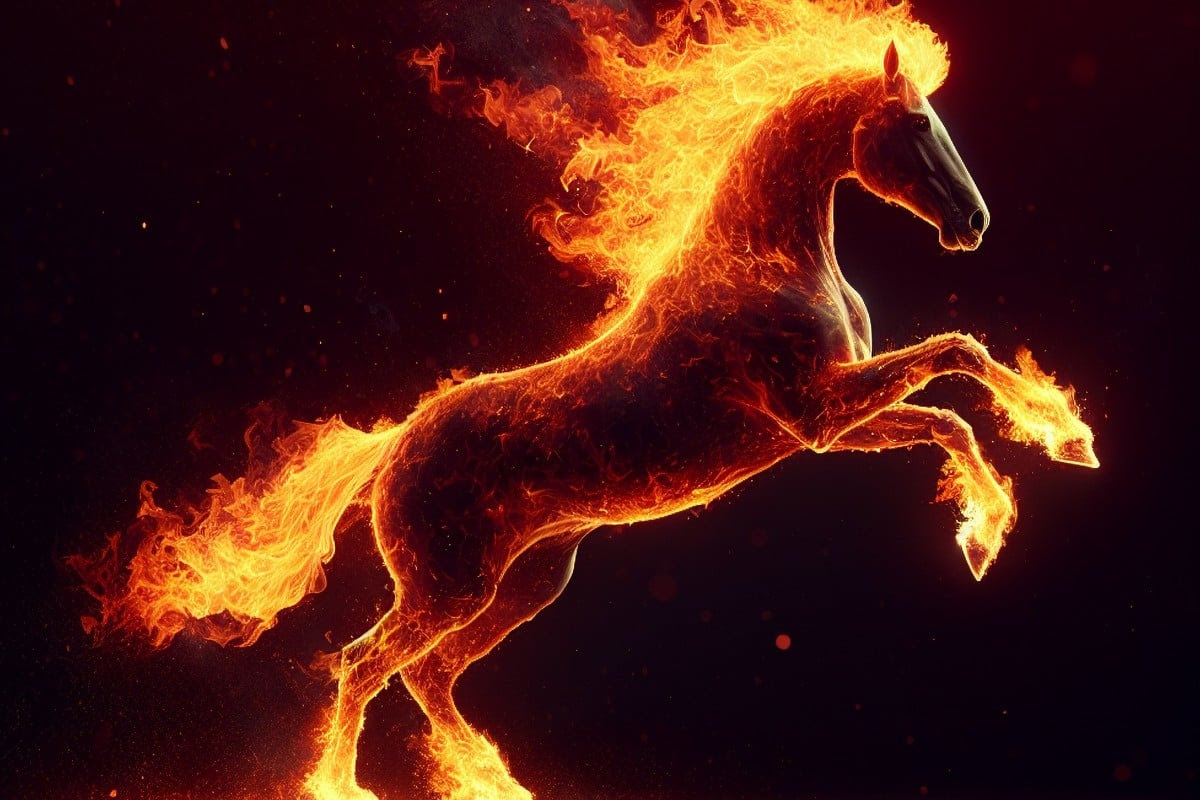
    As we enter the Year of the Fire Horse, many of us can already feel the heat—faster pace, higher demands, and a sense that the world is asking more of us than usual. In Chinese tradition, the Horse is dynamic, powerful, and forward-moving. When paired with Fire, that energy can inspire courage and creativity—but without balance, it can also manifest as stress, burnout, anxiety, and exhaustion.

    Fortunately, we are not meeting this moment empty-handed. Tai Chi, Qigong, and Traditional Chinese Medicine (TCM) have helped people navigate turbulent times for centuries. These practices were refined not in calm laboratories, but in real human conditions—times of uncertainty, change, and challenge, much like our own.

    From a Chinese medicine perspective, chronic stress agitates the Shen (spirit), stagnates Qi, and over time depletes the body’s reserves. Tai Chi and Qigong directly address this by slowing the breath, softening the nervous system, and restoring smooth, efficient movement of Qi throughout the body. Their gentle, rhythmic motions counteract the Fire Horse’s tendency to run too fast, helping us cultivate steadiness instead of reactivity.

    Even a few minutes a day can make a difference. Simple standing practices, mindful walking, or a short Tai Chi form help reset the stress response, improve sleep, support immune function, and sharpen mental clarity. Combined with TCM principles, seasonal awareness, nourishing foods, herbal support when appropriate, and adequate rest, these arts form a complete strategy for resilience.

    This year will likely test our flexibility and endurance. The wisdom of the Barefoot Doctors reminds us that health is not about resisting change, but moving with it skillfully. By embracing Tai Chi, Qigong, and Chinese medicine, we don’t fight the Fire Horse; we learn to ride it with balance, grace, and strength.
    Let this be the year we protect our health not by pushing harder, but by practicing deeper.

  • Celebrate Lunar New Year at the Far East Center

    Celebrate Lunar New Year at the Far East Center

    and Support Shaolin Hung Mei Kung Fu!

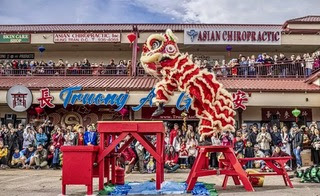
    The Year of the Horse is almost here, and the Far East Center is thrilled to welcome our community back for another unforgettable Lunar New Year celebration! For more than 30 years, the Shaolin Hung Mei Kung Fu Association has been at the heart of our festivities, captivating audiences with their powerful Lion Dance performances, rhythmic drums, and authentic cultural traditions. Their artistry has become a beloved part of our holiday experience and an inspiration to generations of families in Colorado.

    This year, we invite you not only to join us for the celebration, but also to stand behind the troupe that has given so much to our community. Rising costs and growing demand for cultural programming make your support more important than ever. Colorado Gives offers a meaningful way to help Shaolin Hung Mei Kung Fu continue teaching traditional Chinese martial arts, performing at cultural events statewide, and sharing their heritage with schools, seniors, and youth programs.

    If you’ve ever smiled as the Lion Dance leaped past you, felt the drums in your chest, or witnessed the joy on children’s faces during Lunar New Year—now is the time to give back.

    ✨ Join us at the Far East Center for Lunar New Year 2026

    🎉 Support the Shaolin Hung Mei Kung Fu Association on Colorado Gives Day

    ❤️ Together, we can keep this cherished cultural tradition alive for future generation

  • Bridging Worlds: CCMU’s Historic Visit to China for Medical Integration and Global Collaboration

    We are thrilled to share highlights from our recent trip to China, where Joseph Brady and Jacqueline Shumway were honored to represent the Colorado Chinese Medicine University (CCMU) at the First International Conference on Wang Lü’s Academic Thoughts and the Development of Wu School Loujiang Medicine, held in Kunshan from June 19–22, 2025. This prestigious international event brought together leading scholars and practitioners from across the globe to explore the integration of Traditional Chinese Medicine (TCM) and modern Western medical systems.

    Our visit centered around the groundbreaking work being done at the new Kunshan Hospital of Integrated Traditional Chinese and Western Medicine, a state-of-the-art facility dedicated to delivering whole-person care. What makes this hospital unique is its commitment to using Chinese medicine—including acupuncture, herbal therapy, Tai Chi, and Qigong—as the front line of preventive care, thereby easing the burden on conventional biomedical services. This innovative approach exemplifies a scalable model for addressing chronic disease, improving population health, and aligning with global public health goals.

    During the conference, CCMU signed a formal agreement with our Chinese counterparts to establish a student and scholar exchange program, along with collaborative research initiatives using artificial intelligence to study the application of Chinese medicine in both U.S. and Chinese healthcare contexts. This marks a bold step toward international cooperation in advancing whole-person, integrative medicine.

    We are excited to bring these insights and partnerships home to enrich our curriculum, deepen our clinic offerings, and continue building a future where East meets West in service of a healthier, more resilient world.

  • In The Media

    Acupuncture Analgesia

    Perhaps the most dramatic example of acupuncture’s ability to control pain is the use of acupuncture during surgery. Acupuncture analgesia has been used for battlefield surgery in China since at least 200 A.D. Research shows that acupuncture may be effective in perioperative settings for preoperative sedation, and for postoperative pain relief, nausea and vomiting but requires a high level of expertise by the acupuncture practitioner.

    Picture of a person typing on a typewriter.

    We made a film with reporter Hendrik Sybrandi, anesthesiologist Mimi Wong, and surgeon Rebecca Knight.